PeopleLeadership and counsel
Back to Strafford

People

People

Strafford's work is directed by its founder and executive director, governed by its Board of Directors, and strengthened by the counsel of its Founding Board of Advisors.

Richard Rodgers, Founder and Executive Director

Leadership

Richard Rodgers

Founder and Executive Director

Read biographyClose biography

Richard Rodgers is the Founder and Executive Director of the Strafford Institute. He is an A.B. candidate at Harvard College, where he studies history, especially that of medieval Europe, and political theory.

He is the Research Fellow in Medieval Political Thought and a senior John Aroutiounian Fellow at the Abigail Adams Institute, a fellow of the Harvard Catholic Forum, a Flourishing Fellow with Harvard's Human Flourishing Program, a reader at the program's Vivarium at Jesus College, Oxford, and the Hao Fellow in Medieval and Renaissance Art at the Harvard Art Museums.

His writing and editorial work concerns political theory and theology, social and cultural criticism, and the role of religion in public life. He is editor of Political Thought of the Middle Ages, a forthcoming anthology of medieval political thought.

His research on Richard Coeur de Lion and English kingship received Harvard's prize for best work on a medieval topic, awarded by the Standing Committee on Medieval Studies, and he has presented work on Arthurian kingship at Harvard's Symposium in Premodern Studies.

Before coming to Harvard, he served as a noncommissioned officer in the United States Navy, where he deployed overseas and led Sailors on public affairs missions in Europe and the Middle East.

He established the Strafford Institute to cultivate the habits required to receive and preserve the Anglo-American inheritance, to recover knowledge of the institutions, loyalties, and forms of public life that shaped the West, and to study the roots of American order.

He came to Harvard from Virginia, where his affections for architecture, wing shooting, and fly fishing were most formed.
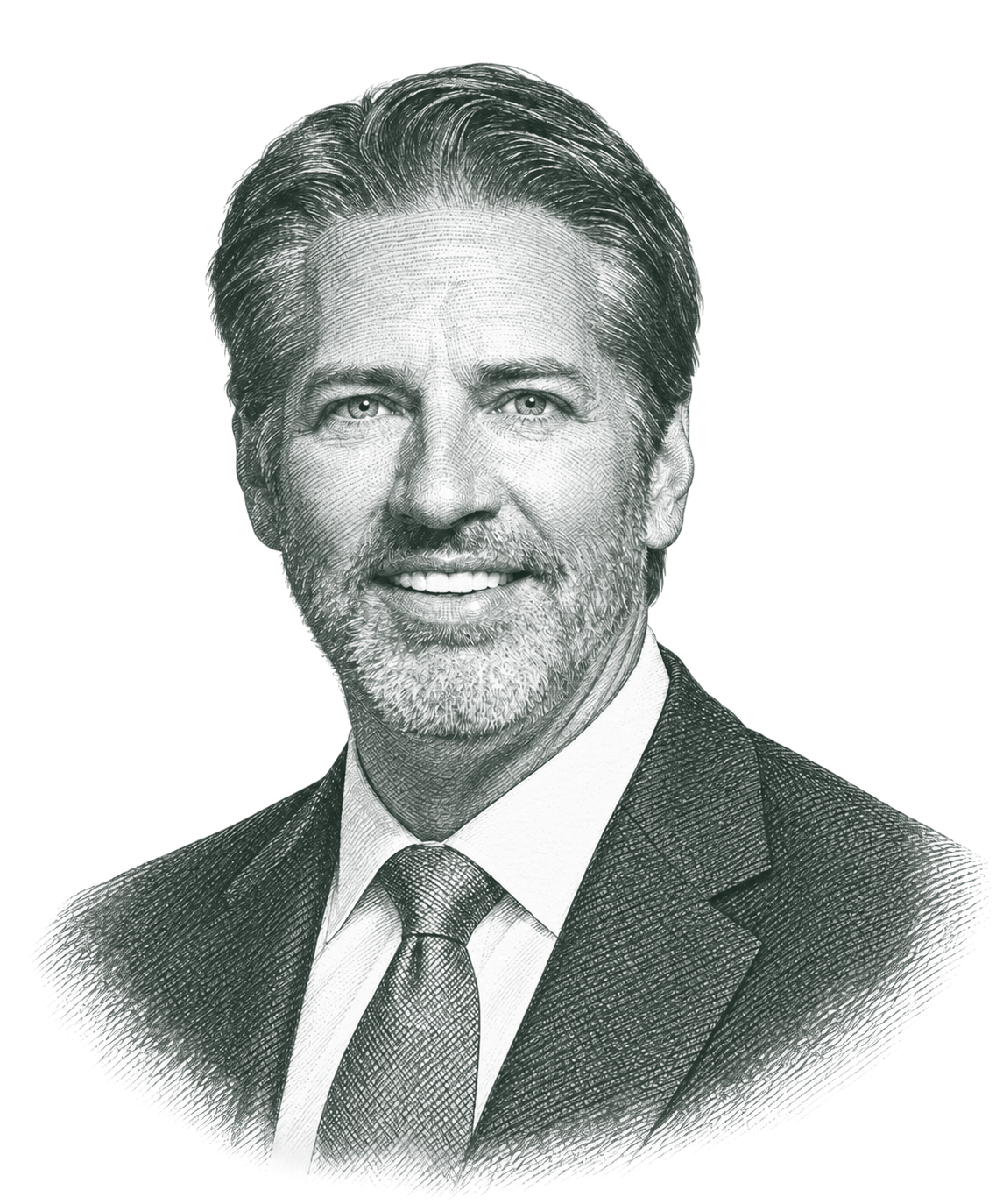
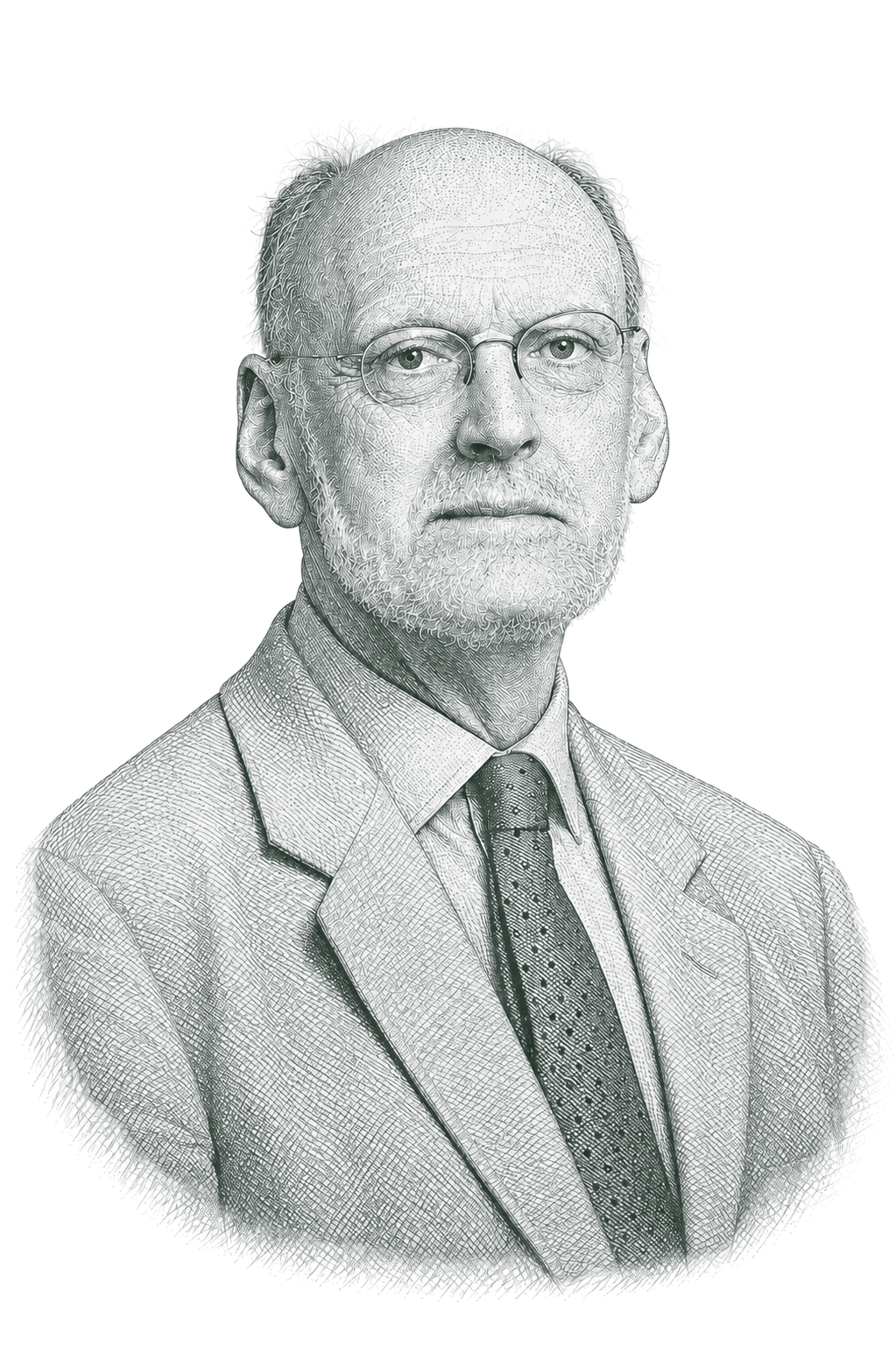
Board of Directors

Founding Directors

The Board of Directors bears the legal and fiduciary responsibilities assigned by the Institute's governing documents and applicable law.

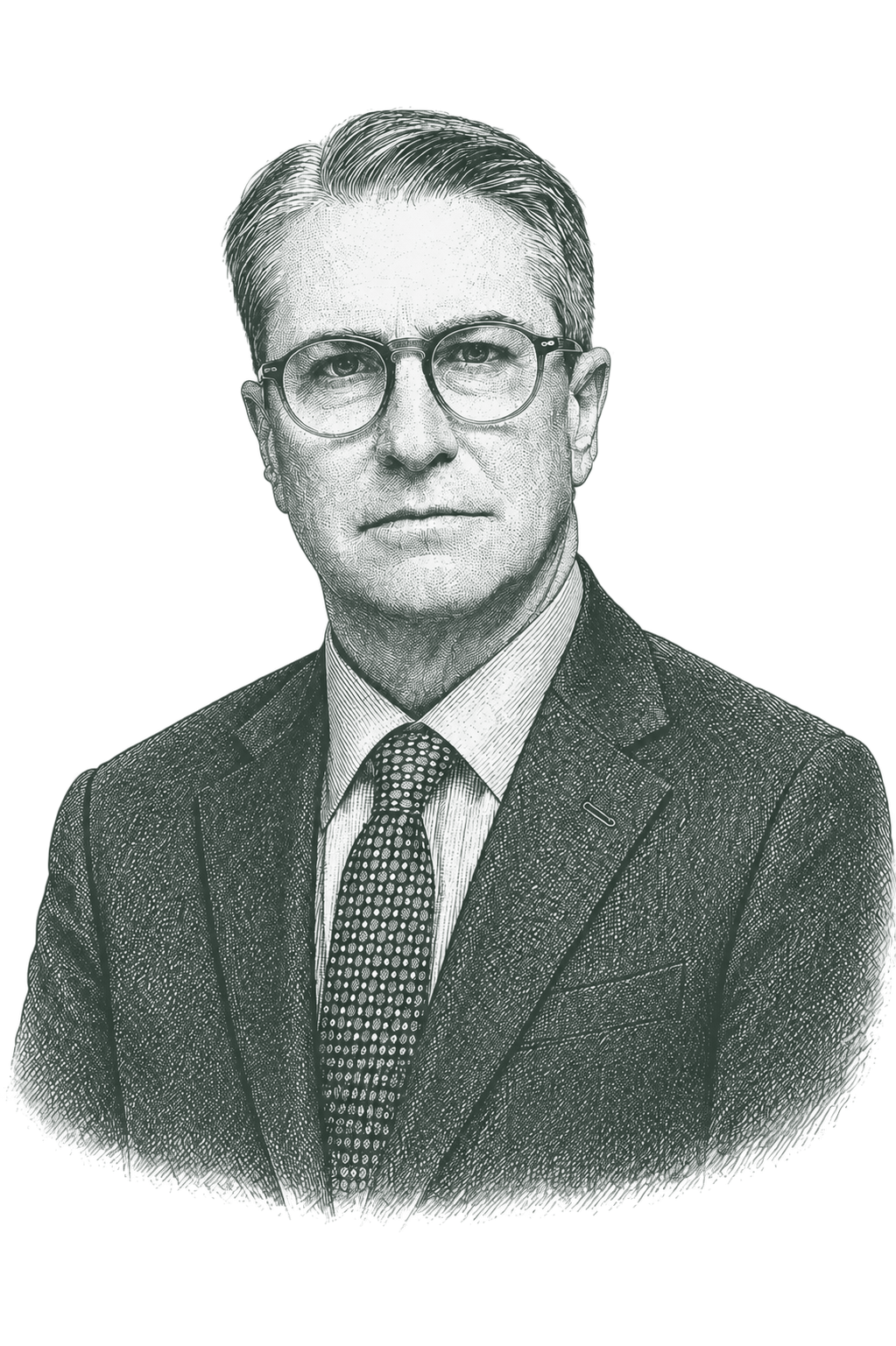
Engraved portrait of Anthony T. P. Brooks

Anthony T. P. Brooks

Executive Director, Wilkes-Barré Preservation SocietyCurator, Zebulon Butler House MuseumMember, Wilkes-Barre City Council

Read biographyClose biography

Anthony T. P. “Tony” Brooks is the executive director and co-founder of the Wilkes-Barré Preservation Society, curator of the Zebulon Butler House Museum, and a third-term member of Wilkes-Barre City Council. An American public historian, preservationist, and civic leader, he has spent more than two decades preserving and interpreting the architectural, social, and civic inheritance of northeastern Pennsylvania.

A graduate of the University of Pennsylvania, Brooks helped establish the Wilkes-Barré Preservation Society in 2003. Under his direction, the Society rescued the Zebulon Butler House—the oldest surviving house in Wilkes-Barre, built in 1793 around portions of a log structure dating to 1773—from demolition and undertook its restoration as a museum of the city's early history. The Society also convened the public meeting from which the Irem Temple Restoration Project emerged and joined the campaign to preserve Wilkes-Barre's 1868 railroad station and return it to productive use. Brooks formerly served as executive director of the Luzerne County Historical Society and presents the region's history to a wider public through lectures, architectural tours, and the Diamond City Trail of History documentary series.

Brooks was first elected to Wilkes-Barre City Council in 2015 as the representative of District B and was returned to office in 2019 and 2023. During his service, he introduced a historic-preservation ordinance that received the unanimous support of the Council. His wider civic service has included leadership or board responsibilities with WVIA Public Media, the Diamond City Partnership, the Osterhout Free Library, the Hollenback Cemetery Association, the Wyoming Commemorative Association, and the Penn Club of Northeastern Pennsylvania.

Brooks served with the 104th Cavalry, Pennsylvania's historic cavalry and reconnaissance regiment, whose lineage reaches through the 8th Pennsylvania Infantry and includes service in the Spanish-American War and both world wars. He has been a member of St. Stephen's Episcopal Church in Wilkes-Barre for more than forty years and serves the parish as verger. He is also a former president of the St. David's Society of Wyoming Valley and a recipient of the Daughters of the American Revolution Medal for Patriotism. Brooks also lectures on American history, civics, and the Anglo-American religious tradition. In 2024, the Greater Wyoming Valley Chamber of Commerce honored him with its Lifetime Achievement Award for his work in historic preservation, local history, and public service.

Board of Advisors

Founding Advisors

The Founding Board of Advisors provides counsel on Strafford's programs, publications, institutional development, and stewardship.

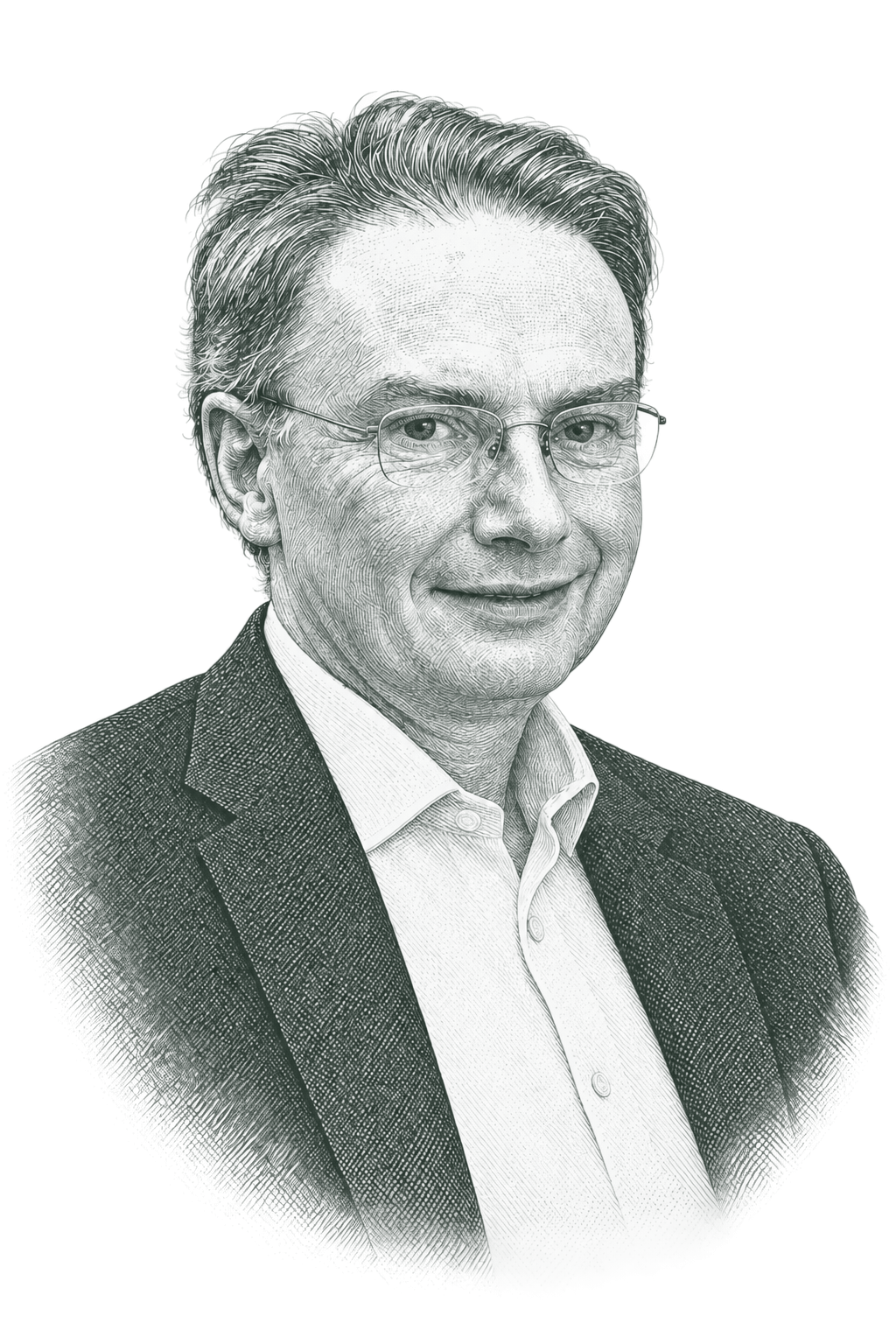
Engraved portrait of the Reverend Professor Nigel Biggar, Lord Biggar of Castle Douglas

The Reverend Professor Nigel Biggar, Lord Biggar of Castle Douglas, C.B.E.

Emeritus Regius Professor of Moral and Pastoral Theology, University of OxfordDistinguished Scholar in Residence, Pusey House, Oxford

Read biographyClose biography

Nigel Biggar, Lord Biggar of Castle Douglas, C.B.E., is an Anglican priest, moral theologian, and member of the House of Lords. He is Emeritus Regius Professor of Moral and Pastoral Theology at the University of Oxford and Distinguished Scholar in Residence at Pusey House, Oxford. Created Baron Biggar of Castle Douglas in January 2025, he was introduced to the House of Lords later that month.

Lord Biggar read Modern History at the University of Oxford before undertaking graduate study in religious studies and Christian theology at the University of Chicago, where he completed his Ph.D. He served as Chaplain and Research Fellow at Oriel College, Oxford, and subsequently held professorships in theology and ethics at the University of Leeds and Trinity College Dublin. He later returned to Oxford as Regius Professor and founded the McDonald Centre for Theology, Ethics, and Public Life, holding the chair until his retirement in 2022.

His scholarship brings Christian moral theology to bear upon the judgment of public affairs. He has written especially on when war may be just, how imperial rule should be judged, what moral weight belongs to nations and rights, and whether euthanasia may ever be licit. His books include Colonialism: A Moral Reckoning, What's Wrong with Rights?, Between Kin and Cosmopolis: An Ethic of the Nation, In Defence of War, and Aiming to Kill: The Ethics of Suicide and Euthanasia.

Lord Biggar was appointed Commander of the Order of the British Empire in 2021 for services to higher education. He chairs the board of trustees of the Free Speech Union and has served on the Pontifical Academy for Life and the Royal College of Physicians' Committee on Ethical Issues in Medicine. He has also lectured at senior military institutions in Britain, Germany, and the United States.

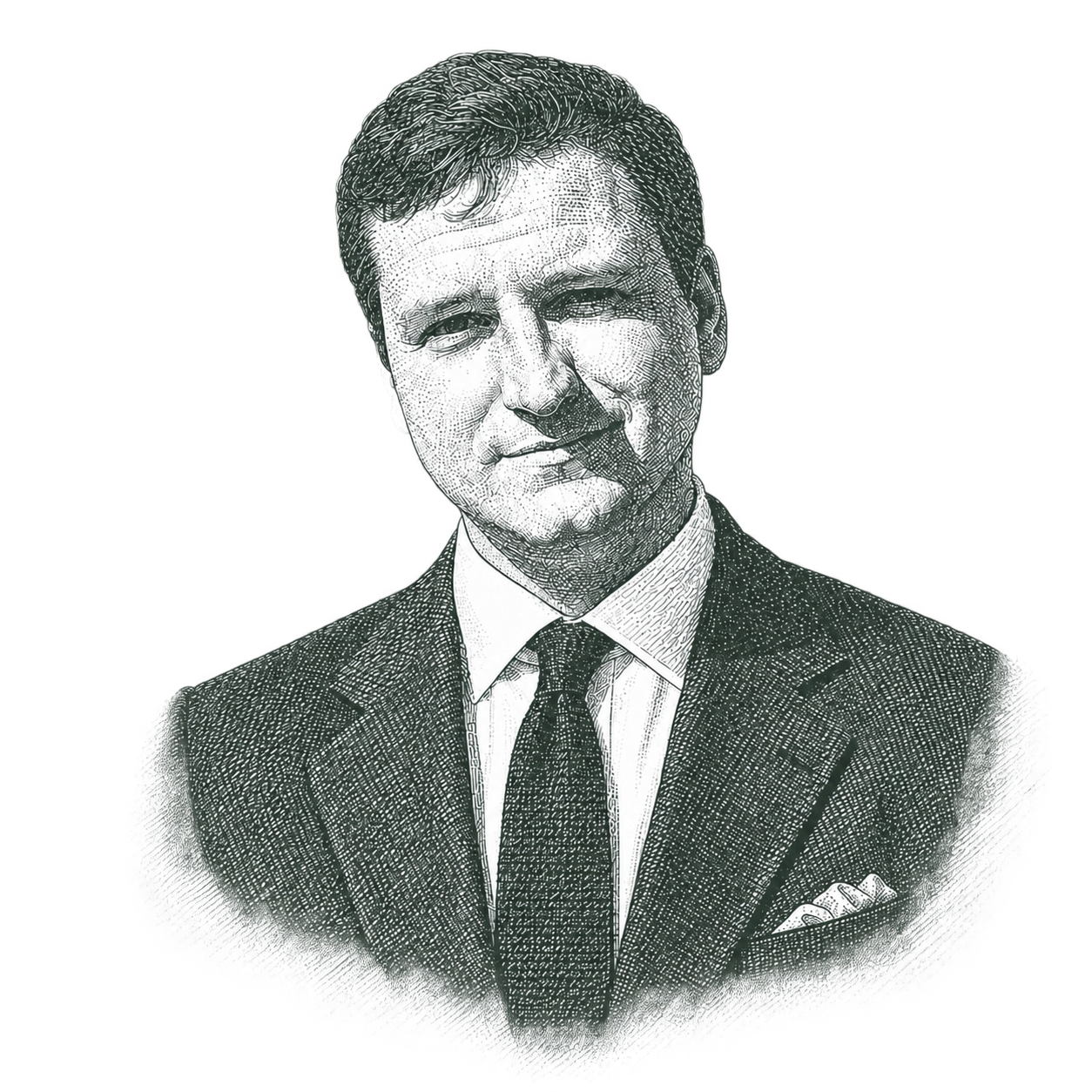
Engraved portrait of Professor Patrick J. Deneen

Professor Patrick J. Deneen

Professor of Political Science, University of Notre Dame

Read biographyClose biography

Patrick J. Deneen is Professor of Political Science at the University of Notre Dame and a leading scholar of political theory and American political thought. His scholarship concerns the history of political thought, constitutionalism, and the liberal and conservative traditions.

He holds a B.A. in English literature and a Ph.D. in Political Science from Rutgers University. From 1995 to 1997, he served as Speechwriter and Special Advisor to the Director of the United States Information Agency. He subsequently taught at Princeton University and Georgetown University before joining the faculty of Notre Dame in 2012.

He is the author of Democratic Faith, Why Liberalism Failed, Regime Change: Toward a Postliberal Future, and American Odyssey: What an Ancient Story Reveals about Our Divided Souls, as well as numerous scholarly articles, essays, and reviews. His doctoral dissertation received the American Political Science Association's Leo Strauss Award for Best Dissertation in Political Theory in 1995, and his first book received an honorable mention for the APSA's Best First Book Award in 2000.

Engraved portrait of Professor Thomas Pink

Professor Thomas Pink

Emeritus Professor of Philosophy, King’s College London

Read biographyClose biography

Professor Thomas Pink is Emeritus Professor of Philosophy at King's College London. His scholarship ranges across ethics, free will, the metaphysics of power and causation, and political and legal philosophy. He also works on medieval and early modern thought, with particular attention to the natural-law tradition, Francisco Suárez, and Thomas Hobbes.

Professor Pink read history and philosophy at Peterhouse, Cambridge, where he completed a Ph.D. in philosophy on rational choice theory. He then worked with Kleinwort Benson as a merchant banker in London and the United States before returning to academic life as a Fellow of Churchill College, Cambridge. After teaching at the University of Sheffield, he joined King's College London in 1996. He ceased teaching in 2022 but remains active in research, publication, and lecturing in Britain and abroad, including Harvard, Berkeley, and Notre Dame.

His books include The Psychology of Freedom, Free Will: A Very Short Introduction, and The Ethics of Action, Volume 1: Self-Determination. He edited Selections from the Political Works of Francisco Suárez and is preparing a scholarly edition of the debate between Thomas Hobbes and John Bramhall on liberty and necessity for the Clarendon Edition of the Works of Thomas Hobbes.

Professor Pink's political work concerns natural law, legal authority, religious liberty, and the proper relations of Church and state. He argues for an account of law as communicative and directive, rather than merely coordinative, and has described the state as a “coercive teacher” ordered toward the common good. His writing on Catholic integralism defends the continuity of Dignitatis Humanae with earlier papal teaching and has included long-running public debates over whether law may properly direct and regulate belief.

He is a director of Politeia, the London-based think tank for economic, constitutional, and social policy. He is also a patron of the Latin Mass Society of England and Wales, which works to preserve and promote the Traditional Latin Mass and the liturgical, musical, and devotional inheritance associated with it.

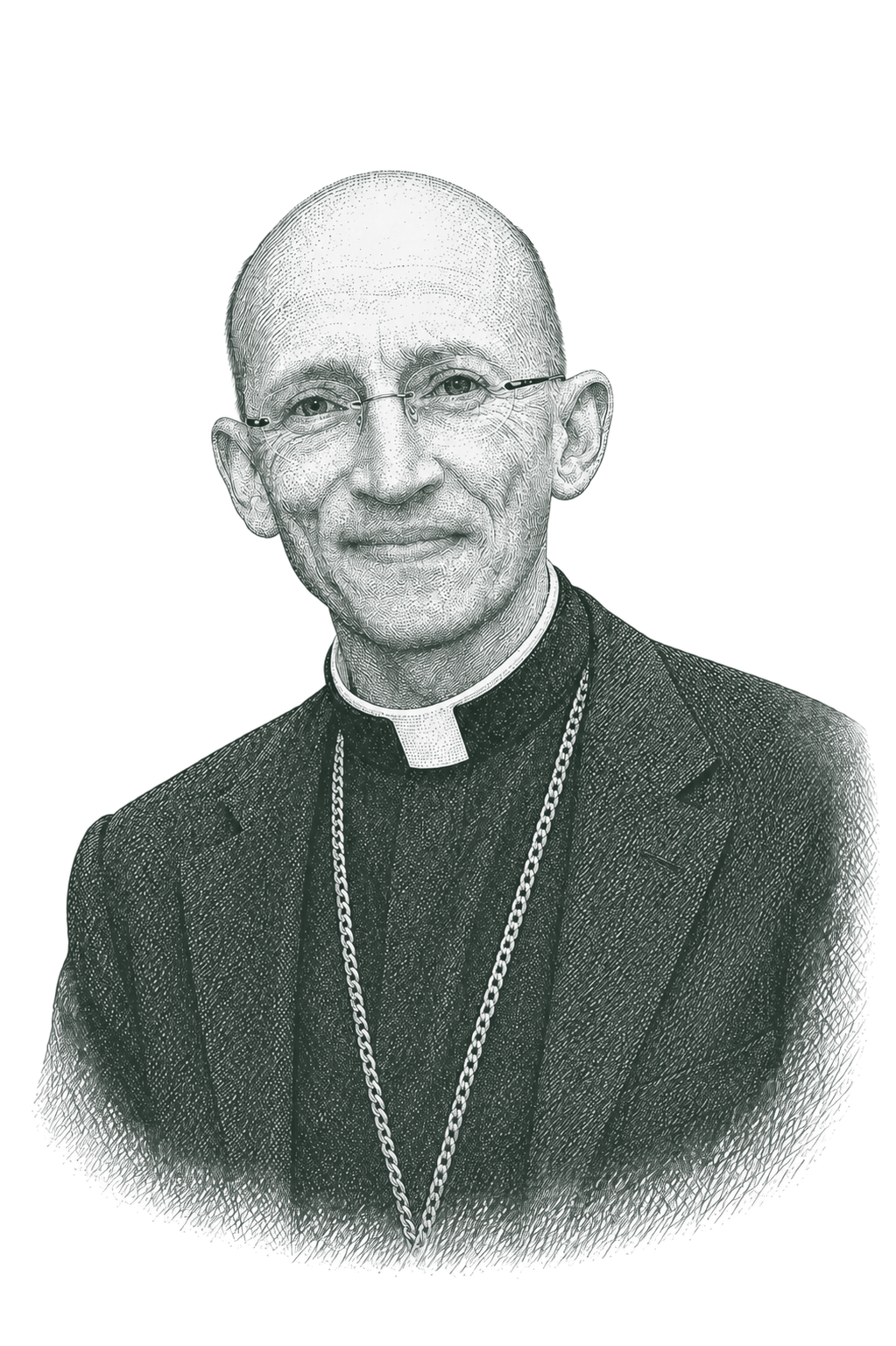
Engraved portrait of the Right Reverend Dr. Martin Warner

The Right Reverend Dr. Martin Warner

Priest in Charge of St. Peter’s, FolkestoneBishop of Chichester, 2012–2026

Read biographyClose biography

The Right Reverend Dr. Martin Warner is Priest in Charge of St. Peter's, Folkestone, a traditional Anglo-Catholic parish in the Diocese of Canterbury under the episcopal care of the Bishop of Richborough. He was licensed to the parish on July 7, 2026, following his retirement as Bishop of Chichester, an office he had held since 2012.

Dr. Warner studied at St. Chad's College, Durham, and trained for ordination at St. Stephen's House, Oxford, before completing a Ph.D. at Durham with a thesis on the Virgin Mary. Ordained deacon in 1984 and priest in 1985, he served as Assistant Curate of St. Peter's, Plymouth, and Team Vicar of the Parish of the Resurrection, Leicester.

From 1993 to 2002, he was Priest Administrator of the Anglican Shrine of Our Lady of Walsingham. He subsequently served as a residentiary canon of St. Paul's Cathedral, first as Canon Pastor and later as Canon Treasurer. Consecrated Bishop of Whitby in 2010, he was translated to Chichester in 2012.

Dr. Warner was introduced to the House of Lords as a Lord Spiritual on January 15, 2018, and served there until his episcopal retirement in 2026. He is a member of the Council of Bishops of The Society, an association of traditionalist Anglo-Catholics within the Church of England. He is a regular contributor to the Church Times and the author of five books.